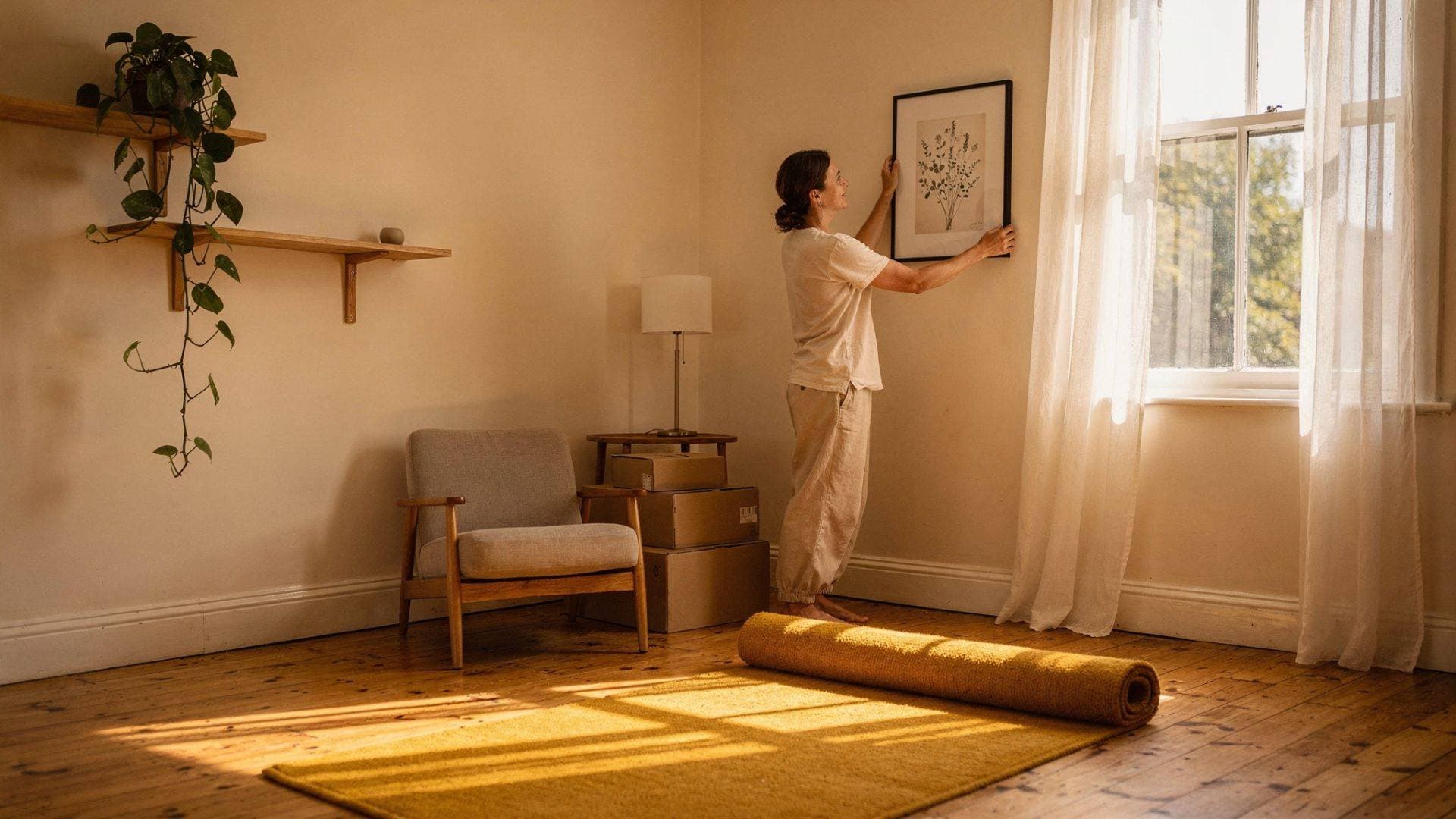
There’s been a cultural shift towards how we view renting. Rather than lodging in properties that have been ‘loaned’ to them by landlords, the narrative has changed. Tenants’ rights have strengthened and emphasis is on having a home that renters feel secure in.
One grey area persists and that’s a tenant’s ability to decorate or personalise. Working out what’s possible depends on where you live, as renting legislation differs across Great Britain.
If you’re renting in England
The Renters’ Rights Act 2025 and existing legalisation doesn’t carry a provision for decorating. Instead, tenants should refer to their contract. The landlord will have listed what is and isn’t permissible within the property. It’s safest to assume all cosmetic and structural work needs written permission.
If you’re renting in Scotland
Scotland will soon see a raft of rental reforms, and one will make it easier for tenants to personalise their home. Currently, those who rent in Scotland need their landlord’s permission to decorate or make changes. The Housing (Scotland) Act 2025 will introduce a new system. Category 1 changes, such as putting up posters or pictures, will be possible without a landlord’s consent.
Category 2 changes, such as painting walls or putting up shelves, will need a landlord’s consent and can only be made after the tenant has lived in the property for six months. A landlord won’t be able to unreasonably refuse a category 2 request. If a renter thinks their decorating request has been unfairly rejected, they can challenge the refusal through the First-tier Tribunal (Housing and Property Chamber).
No date for this reform has been announced but implementation is expected in 2027, alongside a full list of category 1 and 2 changes.
If you’re renting in Wales
Alterations are viewed in two ways: major changes and minor changes. A tenant should make a formal request to decorate the property, which is viewed as a minor change. When received, the landlord can’t unreasonably refuse such a request.
Almost every standard occupation contract in Wales will stipulate that tenants need written permission to change internal fixtures and fittings, add external aerials or satellite dishes, erect sheds and garages or externally decorate the property.
Why do I need permission to decorate my home?
There are a few reasons why a landlord may not want tenants to decorate. They may do a bad job, damage the property in the process, choose a decor that makes the property less appealing to future tenants or use inferior products.
The risks involved with giving tenants free decorating reign are tangible. Almost a third of deposit claims handled by the Tenancy Deposit Scheme involve redecoration. As such, written permission from the landlord improves the chances of getting your deposit back without deductions.
Most landlords are amiable, however. In fact, 73% of landlords welcome tenant customisation. The same study, conducted by OSB Group in 2025, found 34% of landlords actually collaborated with their tenants on decoration plans.
Be clear about customisation dos & don’ts
Before you roll out the new carpet and buy pots of paint, there are some ground rules. As well as written permission, it’s good to have confirmed who is paying for the materials, whether a specialist trade is required to carry out the work and who covers the cost of any professionals booked.
It’s also wise to establish whether your landlord expects you to reverse any changes at the end of the tenancy. If so, that’s a cost usually shouldered by the tenant.
Finally, be absolutely clear about the small details. Ask your landlord their view on Blu Tack, drawing pins, nails, holes in walls and Command strips. Believe it or not, sticking stuff to walls is one of the most contentious issues in private rentals – just Google Blu Tack deposit disputes for some case studies!
If in doubt, give us a call. We’ll go through your contract, match up your decorating request with current legislation where you are, and mediate between you and your landlord.
Share this article



Sign up for our newsletter
Subscribe to receive the latest property market information to your inbox, full of market knowledge and tips for your home.
You may unsubscribe at any time. See our Privacy Policy.